
History
The history of Viglas Castle spans centuries - from ancient Slavic settlements through the Templar period to becoming a royal residence of significant monarchs. Discover the fascinating story of this place that witnessed the founding of Europe's first secular order of chivalry.
Chapter I: Origins
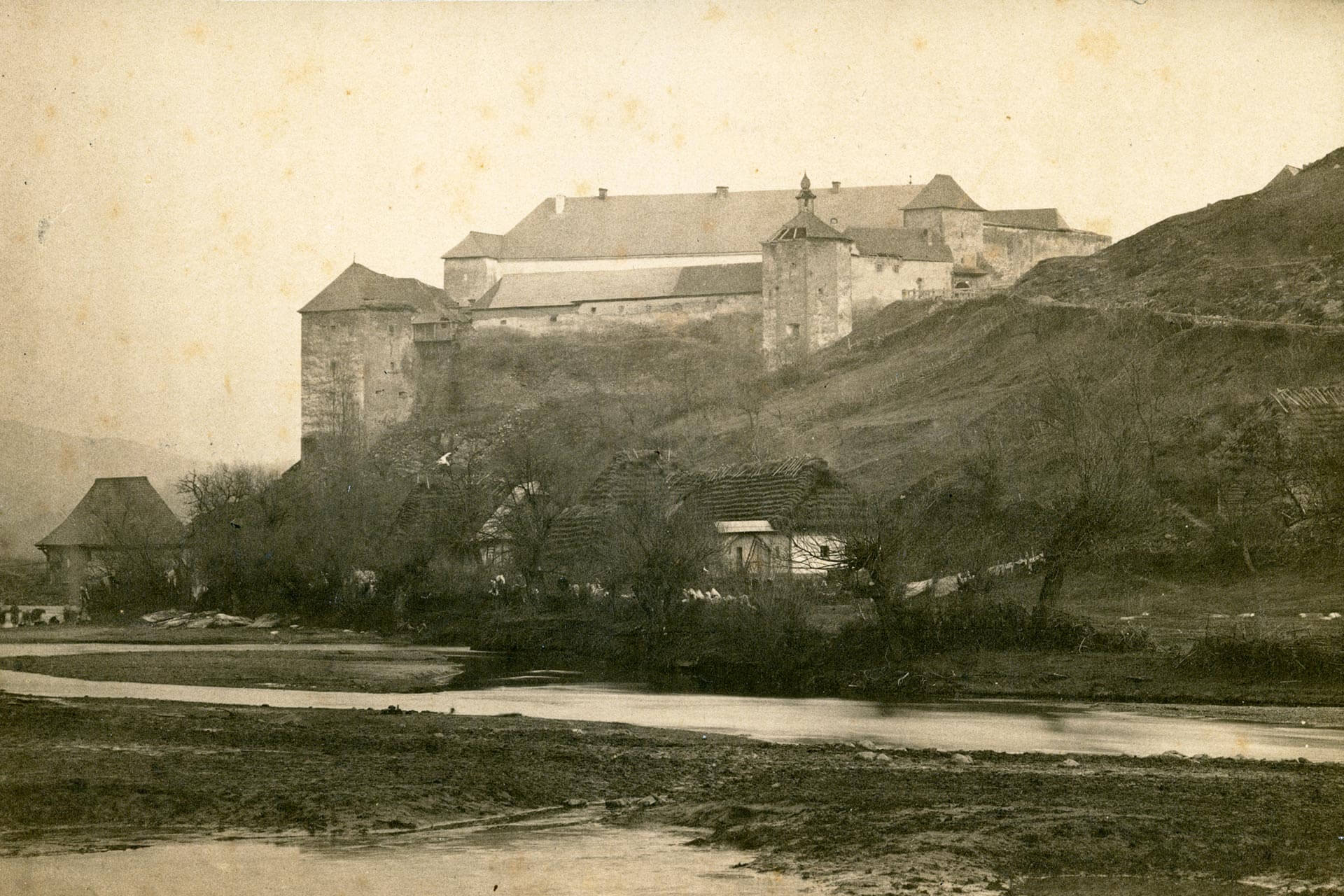
The history of Viglas Castle began during the reign of Hungarian King Béla IV. In the distant 13th century, Hungary was not yet an empire, but a kingdom situated on the outskirts of Europe, in a region known as Pannonia. This land was infamous for its sickly, humid climate, contaminated by fumes rising from extensive swamps, poor drinking water, and deserted, sparsely populated territories.
At that time, Slavic tribes began migrating into Hungary. Having received permission from King Béla, they settled in areas where deposits of iron ore were found. Simultaneously, a new threat emerged from the east: the Mongol army, which had already conquered the Slavic tribes of the Rus, the Bulgars, and the Alans.
King Béla urgently appealed for help to the kings of the Kingdom of Bohemia and the Kingdom of Poland. A united army composed of Hungarian, Polish, and Czech forces engaged the Mongols but suffered a devastating defeat at the Battle of Mohi on April 11, 1241. King Béla escaped the battlefield, pursued relentlessly by a Mongol detachment from town to town.
Miraculously, the Mongols abruptly withdrew from Hungary in March 1242, leaving no garrisons or governors behind. Realizing the need to strengthen Hungary's defenses, King Béla invited the Knights Templar, renowned experts in military fortifications, to construct a network of castles. One of these stood above the Slatina River and was named Viglas—a Greek term meaning 'elevation' or 'watch post.'
Chapter II: The Reign of Charles Robert I Anjou
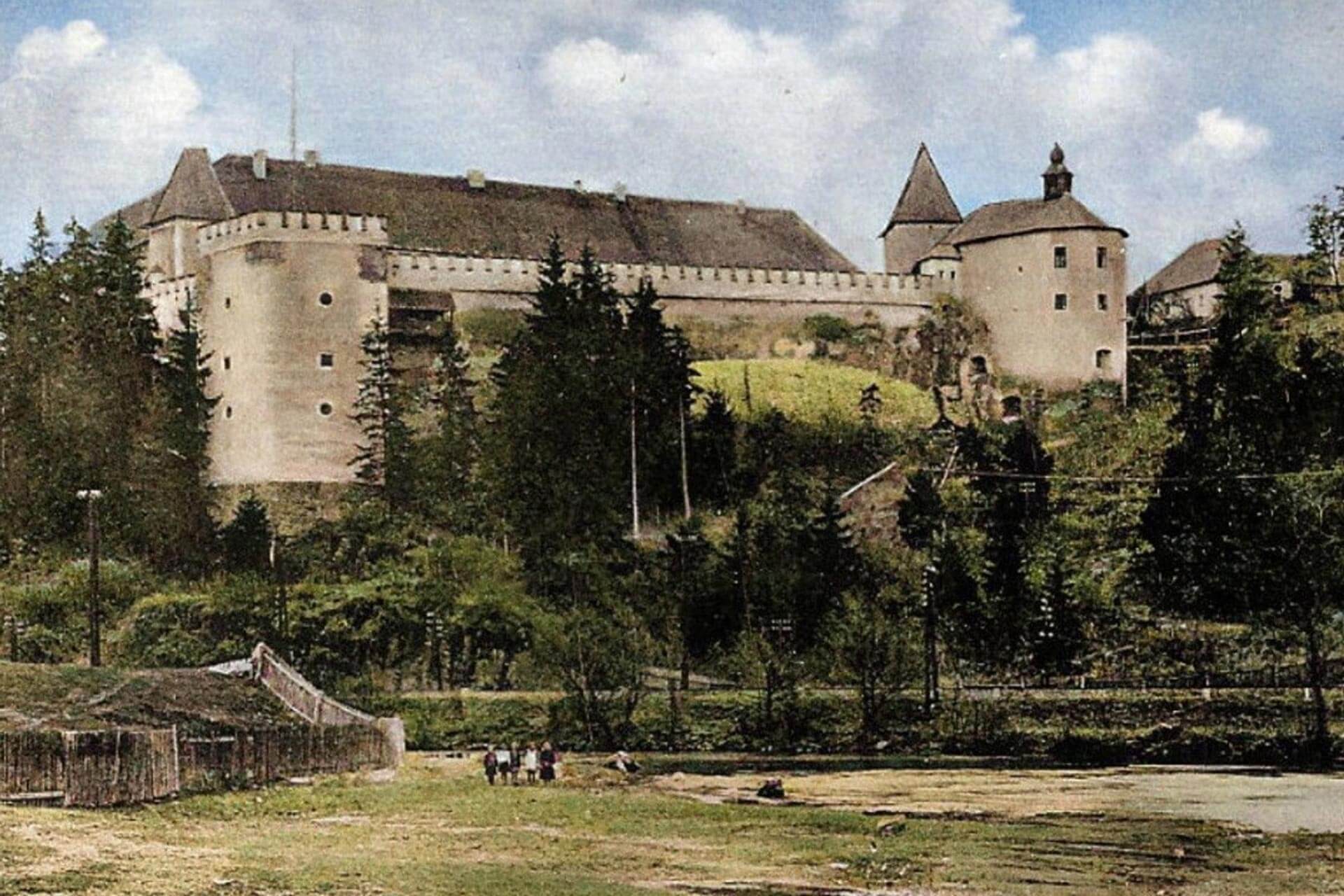
Charles Robert I Anjou, the son of Charles Martel, ruled Hungary from 1308 to 1342. He often used Viglas Castle as his royal hunting lodge, drawn by the surrounding lush forests teeming with wildlife.
One day, while hunting, Charles shot a pheasant with an arrow. When the bird was brought to him, he noticed its beak was dusted with gold. 'There must be gold here,' he exclaimed. Indeed, about 20 kilometers from Viglas, rich gold deposits were found. The place became known as Banská Štiavnica.
To support gold production, Charles established a mint in the town of Kremnica—a mint that remarkably still operates today. He also built a fortress in Banská Štiavnica to protect the mines. The resulting prosperity made Hungary one of the wealthiest and strongest states of the time. By 1330, Hungary's mines were producing about 1,400 kilograms of gold annually—accounting for over 30% of the world's total gold production.
Chapter III: The Reign of King Louis I the Great
Louis I, known as Louis the Great, was the son of King Charles Robert I Anjou. He ruled the Kingdom of Hungary from 1342 to 1382. During the early years of his reign, King Louis launched military campaigns against the Lithuanians and the Tatars. He reasserted royal authority in Croatia and expanded Hungary's influence as far as the Black Sea.
Viglas Castle played a strategic role in King Louis's military plans. Located deep within the forests and controlling the valleys behind the Slatina River, the castle was well-positioned for sudden attacks and defense. It served both as a fortress and a favorite royal retreat.
One autumn day in November 1353, while on a hunt near the castle, King Louis was attacked by a brown bear. The bear inflicted 24 wounds on the king's legs. His life was saved by a knight of the royal court, John Besenyő, who slew the bear with his sword. After the incident, King Louis never returned to hunt in the Viglas forests again.
Chapter IV: The Reign of King Sigismund of Luxembourg
Sigismund was the son of Charles IV, Holy Roman Emperor, and Elizabeth of Pomerania. Though he was not set to inherit his father's throne, a marriage alliance was formed between him and Princess Mary, daughter of King Louis I of Hungary. After marrying Mary in 1385, he was crowned King of Hungary.
Sigismund married Count Hermann's daughter, Barbara of Cilli, in 1406 at Castle Zvolen. As part of her dowry, Barbara received Castle Viglas. She later became Queen of Hungary, Germany, and Holy Roman Empress. Barbara was politically powerful, educated, and fluent in several languages. She governed as regent during Sigismund's absences and gave birth to their daughter, Elizabeth, at Castle Viglas in 1409.
On December 12, 1408, at Castle Viglas, Sigismund and Barbara founded the Order of the Dragon. The Order was dedicated to defending Christianity and the crown. It was symbolized by a dragon biting its own tail and the red cross of St. George. The Order lasted until Sigismund's death in 1437. One of the most famous members of the Order was Vlad II Dracul, father of Vlad III Dracula.
Barbara was also an active military leader. In 1431, during the Hussite invasions, she organized defenses from Castle Viglas and coordinated troops to retake Likava Castle. She corresponded with Abraham of Worms, a mystic who influenced the founding of the Order of the Dragon and was her spiritual guide.
Chapter V: The House of Trivulzio and the Princes of Mesolcina
The noble and ancient Trivulzio family was one of the great dynasties of Milan and Lombardy, originally from the Province of Pavia, specifically the municipality of Trivolzio, from which they took their name. They held numerous fiefs and their first members are recorded from the 10th century.
From the 17th to the 19th centuries, the Trivulzio family were the owners of Castle Viglas, granted to them by the Habsburg rulers of the Austro-Hungarian Empire. His Highness Prince Ercole II Andrea Gonzaga Trivulzio Galli, born in 1766, became the 9th Prince of Mesolcina, 12th Duke of Alvito, and 5th Lord of Viglas Castle.
He married his cousin, Princess Constanza Olga Gonzaga Trivulzio Galli, and had two children: Gian Giacomo Andrea Carlo Simone and Tatiana Ottavia Francesca. In 1826, the entire family died mysteriously at Castle Viglas. Some suspected poisoning—political or accidental—while others believed it may have been an undetected illness. They were buried in the Chapel of Viglas Castle.
The last reigning Prince of Mesolcina was Prince Pietro II Gonzaga Trivulzio Galli, who died in exile in Brazil in 1979. Today, the House of Mesolcina is headed by Prince Andrea III Trivulzio Galli, who resides in Brazil.
Chapter VI: Revival
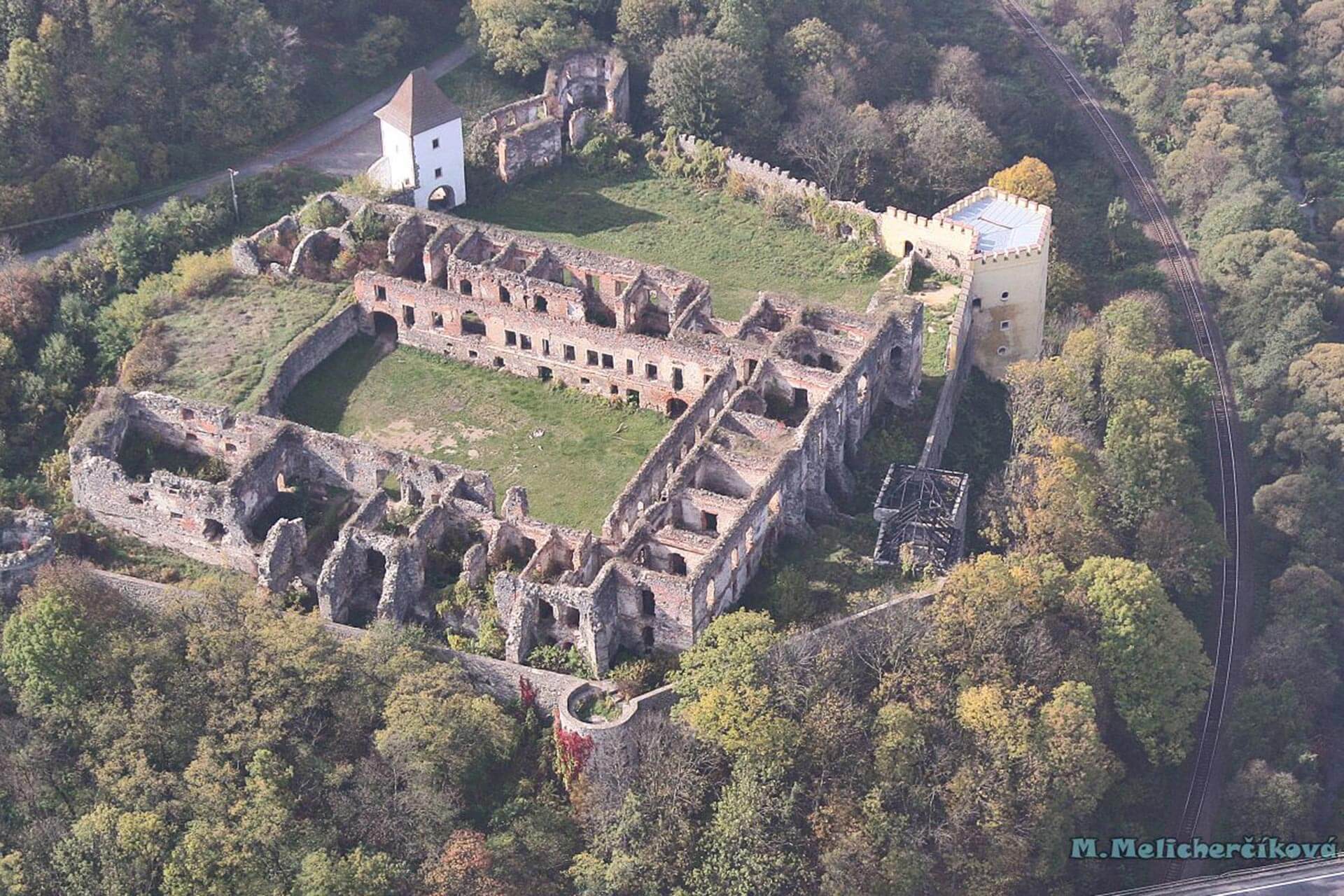
During World War II, in 1944, Castle Viglas was destroyed by Soviet artillery during the Red Army's campaign against Axis forces. After centuries of royal residence, military importance, and legendary significance, the castle was reduced to a ruin. For 66 years, the site remained desolate—overgrown, abandoned, and nearly forgotten by history.
In 2010, the Slovak government offered the ruins of Castle Viglas and surrounding land to the Rechitar family for the symbolic price of one euro. The agreement came with a stipulation: the family was required to fully restore the castle to its historical grandeur. The Rechitar family accepted the challenge.
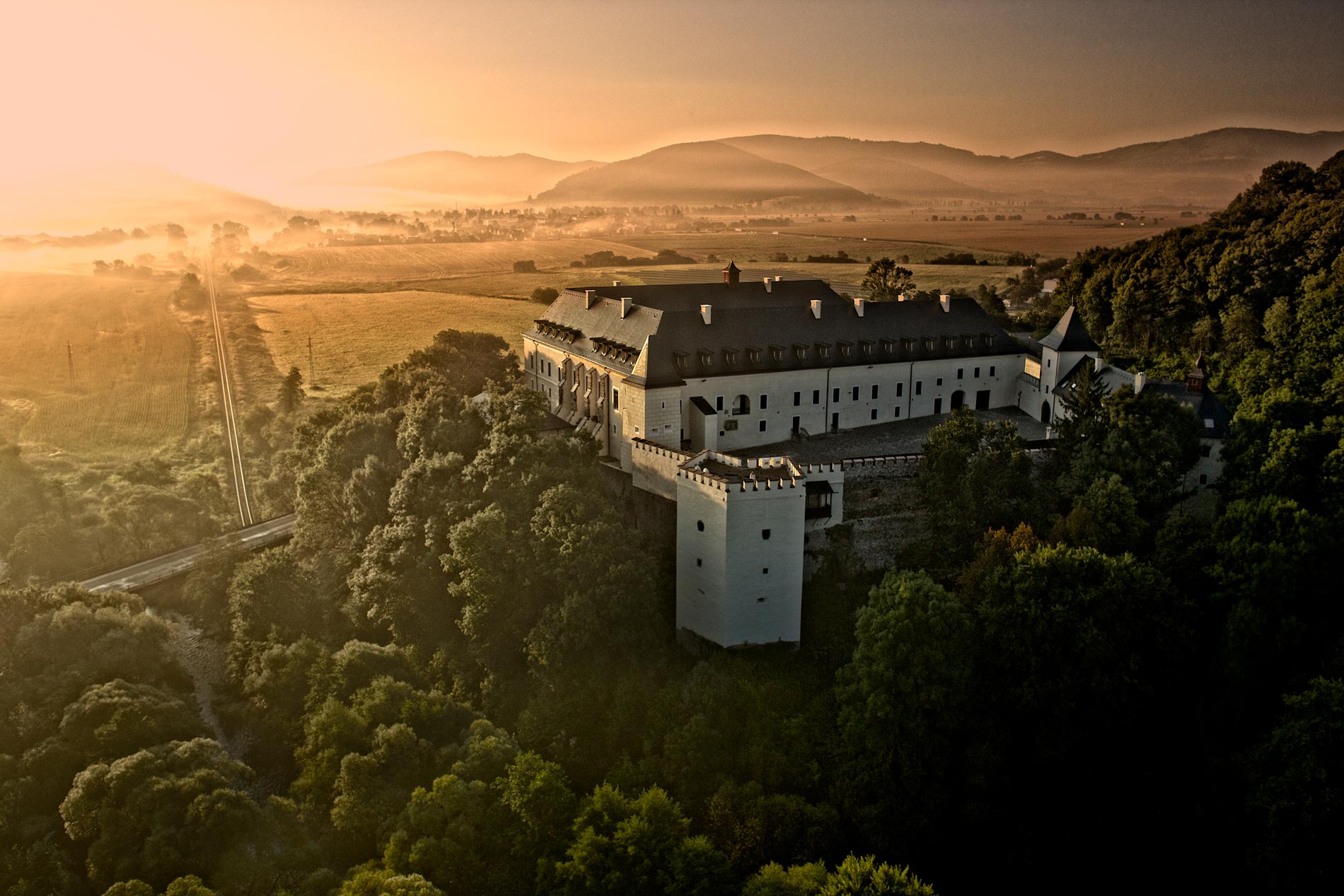
In 2014, after seven decades in ruin, Castle Viglas was officially reopened as a luxurious four-star hotel and cultural site. The castle's great halls, towers, and courtyards were reconstructed in the spirit of their medieval origins, blending history with modern comfort.
In 2019, after a hiatus of 582 years, the legendary Order of the Dragon was ceremonially revived at Castle Viglas. The castle, which had once served as the Order's birthplace and spiritual center, welcomed the Order back home, reconnecting the site to its mystical past.
Come Learn More in Person
Captivating castle tours with rich commentary and fascinating information can be enjoyed daily during regular tours. Come and see for yourself the fascinating history of this place.
Castle Tours